

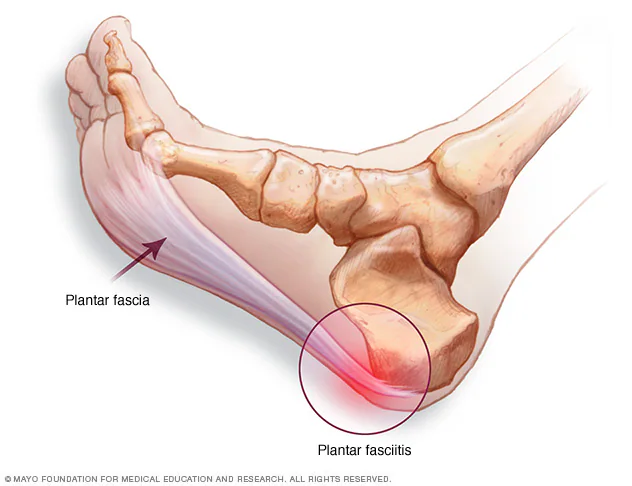

Plantar fasciitis is one of the most common foot conditions, affecting millions of people worldwide. This painful condition occurs when the plantar fascia – the thick band of tissue that runs along the bottom of your foot – becomes inflamed. But what exactly causes plantar fasciitis, and how can you manage it?
Causes of Plantar Fasciitis
The primary cause of plantar fasciitis is repetitive stress or strain on the plantar fascia, which can lead to small tears in the tissue. Several factors increase the risk of developing this condition:
- Overuse or prolonged activity: Athletes, runners, and those who stand for long periods are more prone to the condition.
- Foot structure: People with flat feet or high arches may put added strain on the fascia.
- Improper footwear: Shoes that lack arch support or cushioning can contribute to the condition.
- Age: Plantar fasciitis is more common in people aged 40-60.
Symptoms to Watch For
The hallmark symptom of plantar fasciitis is heel pain, often described as a sharp, stabbing sensation, especially with the first steps in the morning. The pain may subside during the day but return after long periods of standing or walking. Other symptoms include:
- Pain at the bottom of the foot near the heel
- Tenderness along the arch of the foot
- Swelling in the affected area
Treatment Options
While plantar fasciitis can be debilitating, there are effective treatments to manage and alleviate pain:
- Rest and Ice: Resting the foot and applying ice packs can help reduce inflammation.
- Stretching and Strengthening Exercises: Regular stretching of the calf muscles and plantar fascia can relieve tension and reduce pain.
- Orthotic Insoles: Custom or over-the-counter insoles can provide additional arch support and cushioning.
- Physical Therapy: A physical therapist can recommend specific exercises to improve foot strength and flexibility.
- Surgery (in rare cases): If conservative treatments don’t work, surgery may be considered to release the tension in the fascia.
With proper treatment, most people can recover from plantar fasciitis within a few months, but it’s important to take action early to prevent chronic issues.
